
How to Turn AI Into a Coworker That Works 24/7 for You?
Most people use AI as a tool. I use it as a coworker that works while I sleep. Here is how to build your first one, even for free.

If you’re trying to grow a business online, you know the feeling.
There is always more work than time.
Another article to write, a customer to reply to, and a feature to build.
For decades, there was only one way to solve this problem.
Hire people.
But most people never do.
Not because they don’t want to, but because employees are expensive, hiring is risky, and managing people becomes another full-time job.
So they stay solo.
They work longer hours and become the bottleneck in their own business.
This has changed long ago, yet most people still sacrifice their sleep and health to grind and reach their goals.
Not because they have to.
Because they’re solving the wrong problem.
Most people think AI is another productivity tool.
They use it to write faster, summarize documents, or generate code.
That’s useful.
But it completely misses the biggest opportunity.
AI isn’t just another tool; it’s your first employee that can work 7/24.
And once you understand that difference, you’ll stop asking what AI can do.
You’ll start asking what you should never do yourself again.
In this guide, I’ll show you how to make that shift.
Read until the end, and I’ll show you how I would build an AI coworker for three completely different professions.
But don’t skip ahead.
Because before you build one, you need to understand why most people never do.
They never build one because they carry old beliefs about AI into a completely new way of working.
Let’s fix that.
Give me 10 minutes of your full attention.
By the end, you’ll stop thinking of AI as another tool and start thinking of it as your first coworker.
I – You think you’re not technical enough.
Most people never build an AI coworker because they assume building AI belongs to engineers.
It doesn’t.
Some of the best AI systems I’ve seen were built by teachers, marketers, writers, chefs, lawyers, and business owners who had never written a line of code before.
Today, building with AI often starts with writing plain English, as Andrej Karpathy said.
Want to build an app?
One prompt is all you need.
Want an AI agent?
Explain what it should do.
Want an automated workflow?
Write the process you already follow.
That’s exactly why tools like Claude became popular.
Many people still believe you need a computer science degree to build something useful.
The reality is that the barrier has shifted from coding to thinking clearly.
This is the era where imaginers become builders.
II. You judge AI after one prompt.
Most people open ChatGPT, write a vague sentence, get a mediocre answer, and decide AI is overrated.
That’s like interviewing one employee for thirty seconds before deciding nobody wants to work anymore.
AI is like well trained dog, it’ll follow your instructions.
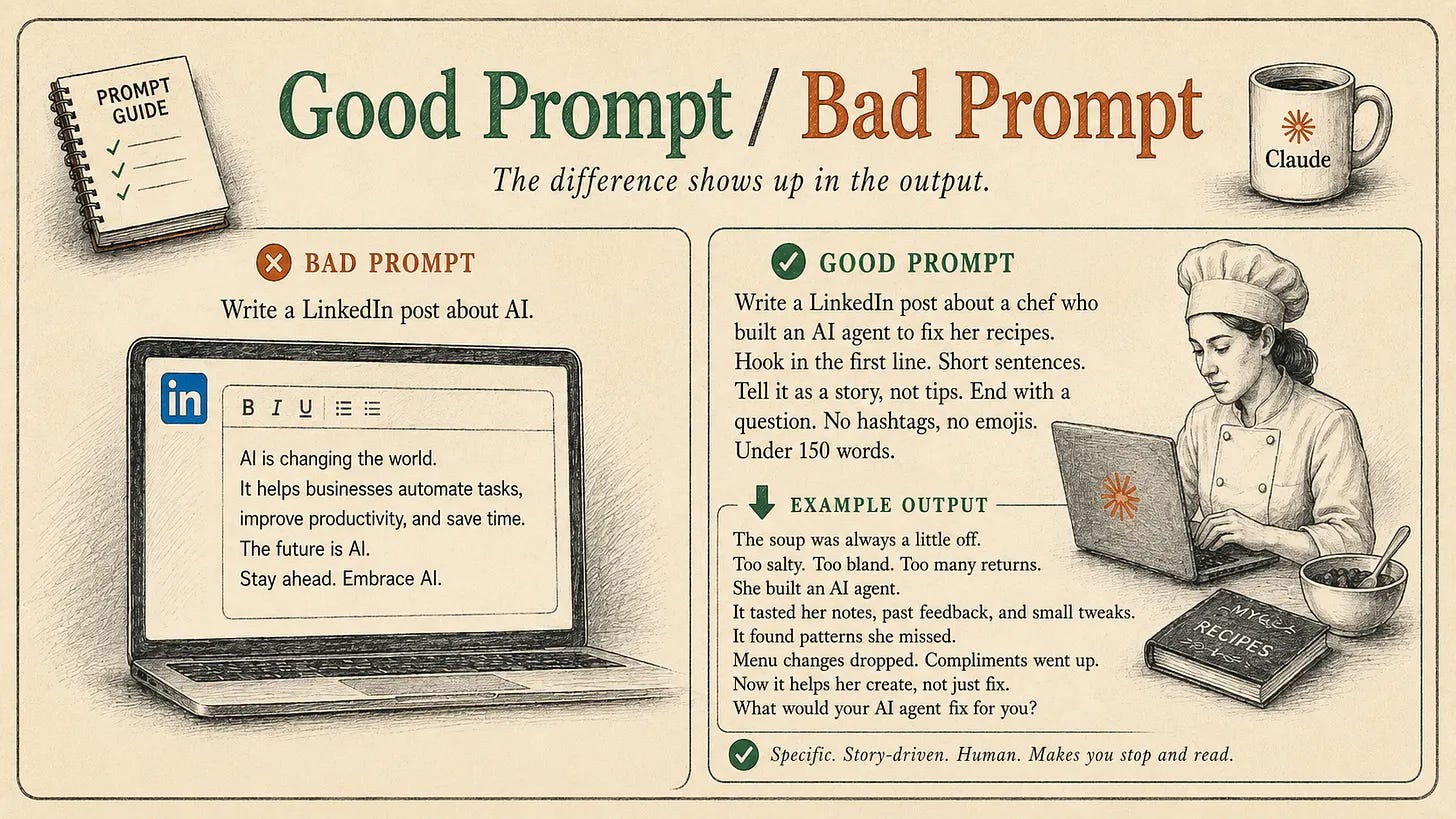
Prompting is communication.
Being specific beats being clever.
Breaking tasks into steps beats writing one huge paragraph.
Treat AI like an intern on its first day.
The better your instructions become, the better your coworker becomes.
III. You think AI is expensive.
You see screenshots of companies burning hundreds of thousands of dollars on AI. You hear the NVIDIA CEO talk about million-dollar inference bills.
Then you decide AI isn’t for you.
Those numbers belong to companies serving millions of users. Not you.
Most people can build serious workflows on a $20 subscription.
Even heavy automation costs less than what you pay for streaming.
Here is the part nobody tells you.
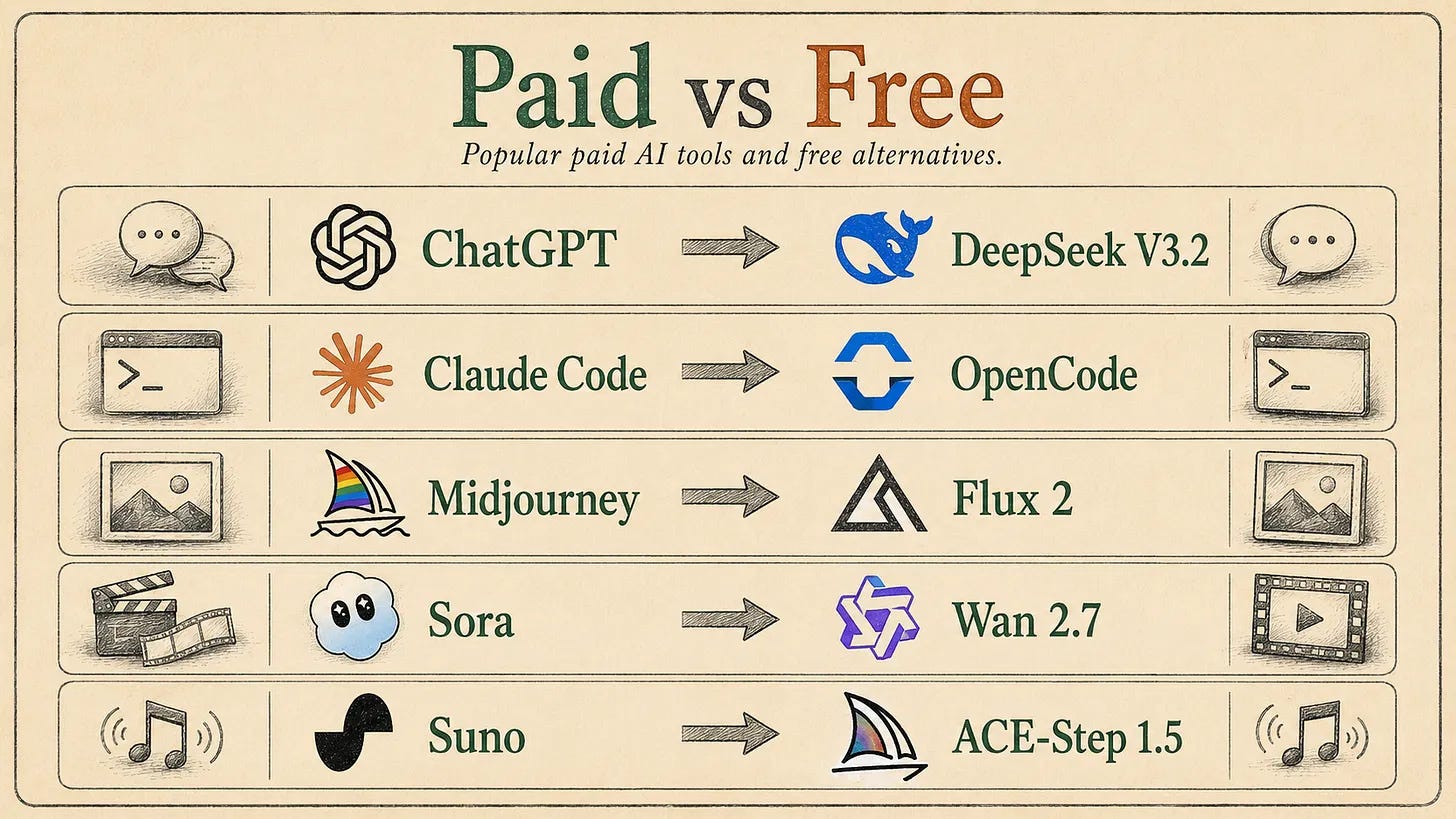
Almost every paid tool has a free open-source twin.
ChatGPT feels expensive? Run DeepSeek.
Claude Code too pricey? You can run it for free with an alteration.
If you have mac mini, install the open source model and use it for free.
IV. You treat AI models like sports teams.
People defend ChatGPT like it’s their football club. Others die on the hill for Claude. Next year they’ll be cheering for something else.
I get the instinct, but technology doesn’t reward loyalty. It rewards paying attention.
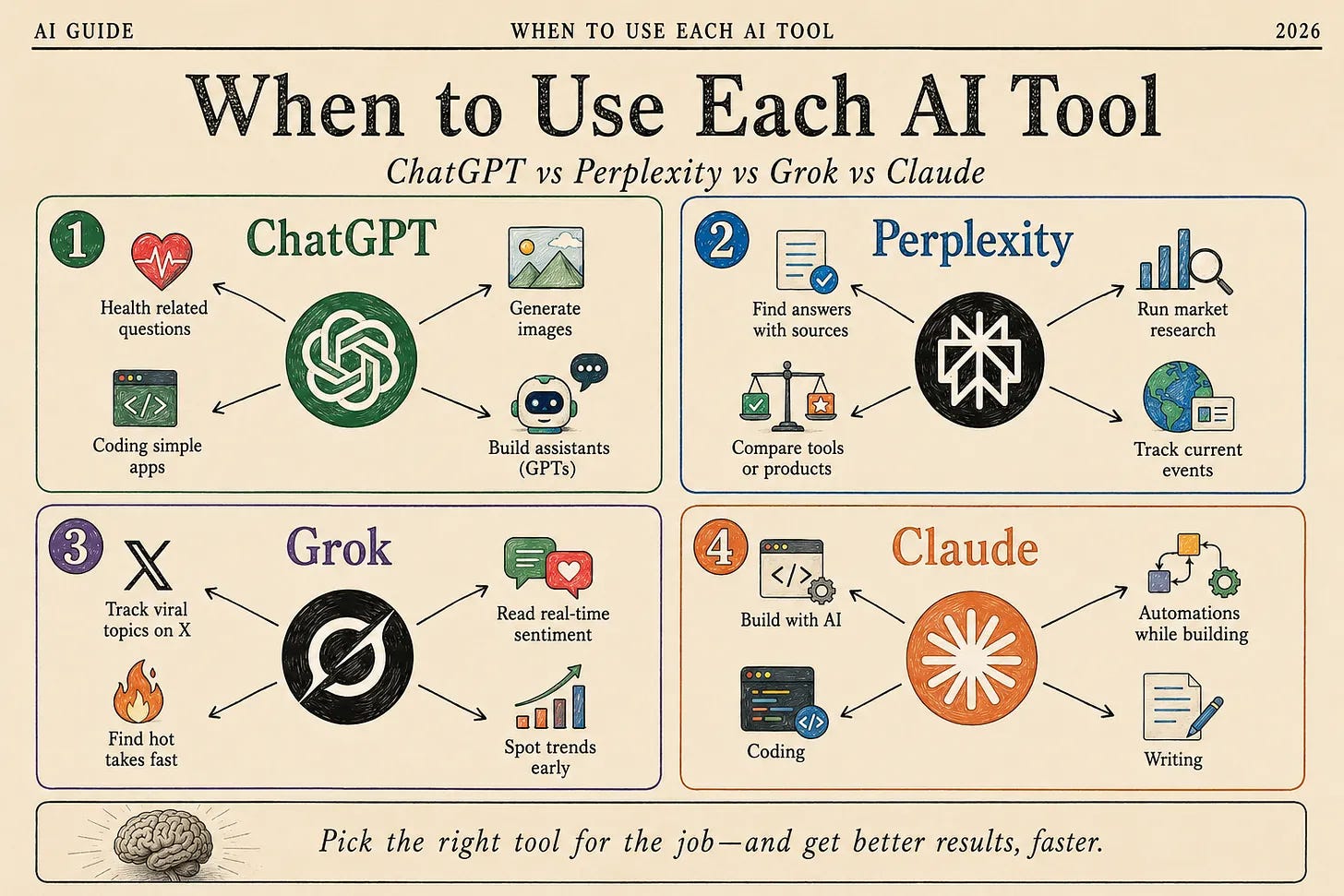
ChatGPT was the best AI of 2023 and 2024. So was Nokia, once. I still use ChatGPT for some things, image generation, a quick read on a health or psychology question. But if you want strong technical work, if you want to build something real, Claude pulls ahead on almost every benchmark that matters. Most people didn’t catch up to that until 2026.
Here is the part people miss. The name on top changes. ChatGPT could leap back ahead tomorrow. Gemini could pass them both next month. In this market, one model release can flip the whole ranking in a single day.
So don’t marry a model.
Marry the outcome you want.
The tool underneath can always change, and it will.
V. You think you need every AI subscription.
A lot of people have AI FOMO.
ChatGPT, Claude, Gemini, Perplexity, plus a tool for music, one for video, one for images.
Before long, they pay for ten products and master none.
I pay for Gemini, Claude, and ChatGPT, plus a few others. But I have a reason. I build with them for two companies, and I test them so I can show you what works.
You don’t need five. Pick one and go deep.
Most ChatGPT users have never touched Codex or generated a single image with it. Most Claude users have never opened Cowork, never built a live Artifact, never run Claude Code. Ask one. I bet they don’t know all three exist.
That is the whole problem. People buy the next tool before they learn the one they already pay for.
One AI, used deeply, beats five used barely. Depth wins.
VI. You think AI replaces people.
When ChatGPT arrived in 2022, people expected AI to walk in and take the jobs. That isn’t what happened. AI still needs a person steering it. What changed was something quieter, and PwC caught it in the data.
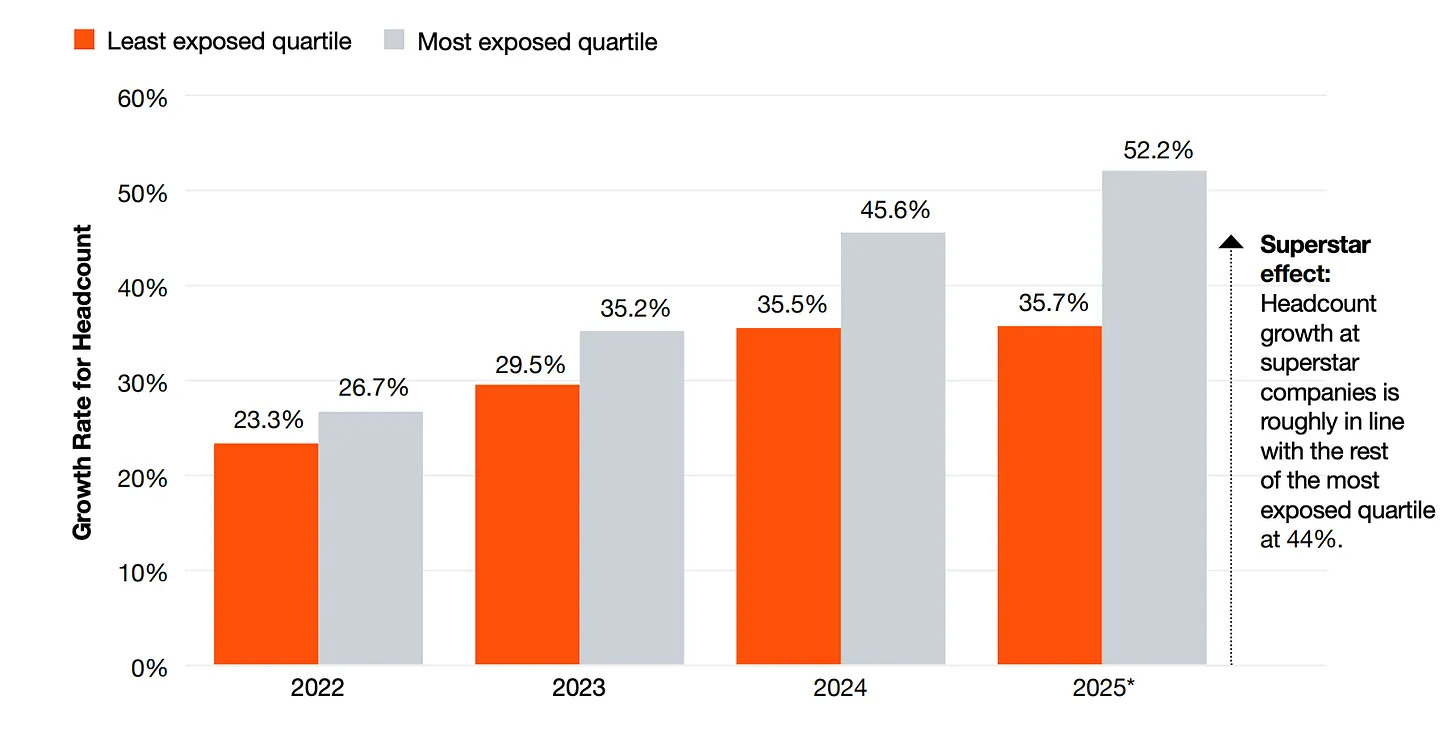
They studied over a billion job ads worldwide and compared companies that went all in on AI with ones that didn’t.
Look at the chart. Grey is the AI companies. Orange is the rest. Grey wins every year. The ones using AI the most keep hiring more people, not fewer.
There is a second number, and this one is personal.
PwC found that people with real AI skills get paid 62% more than coworkers doing the same job without them.
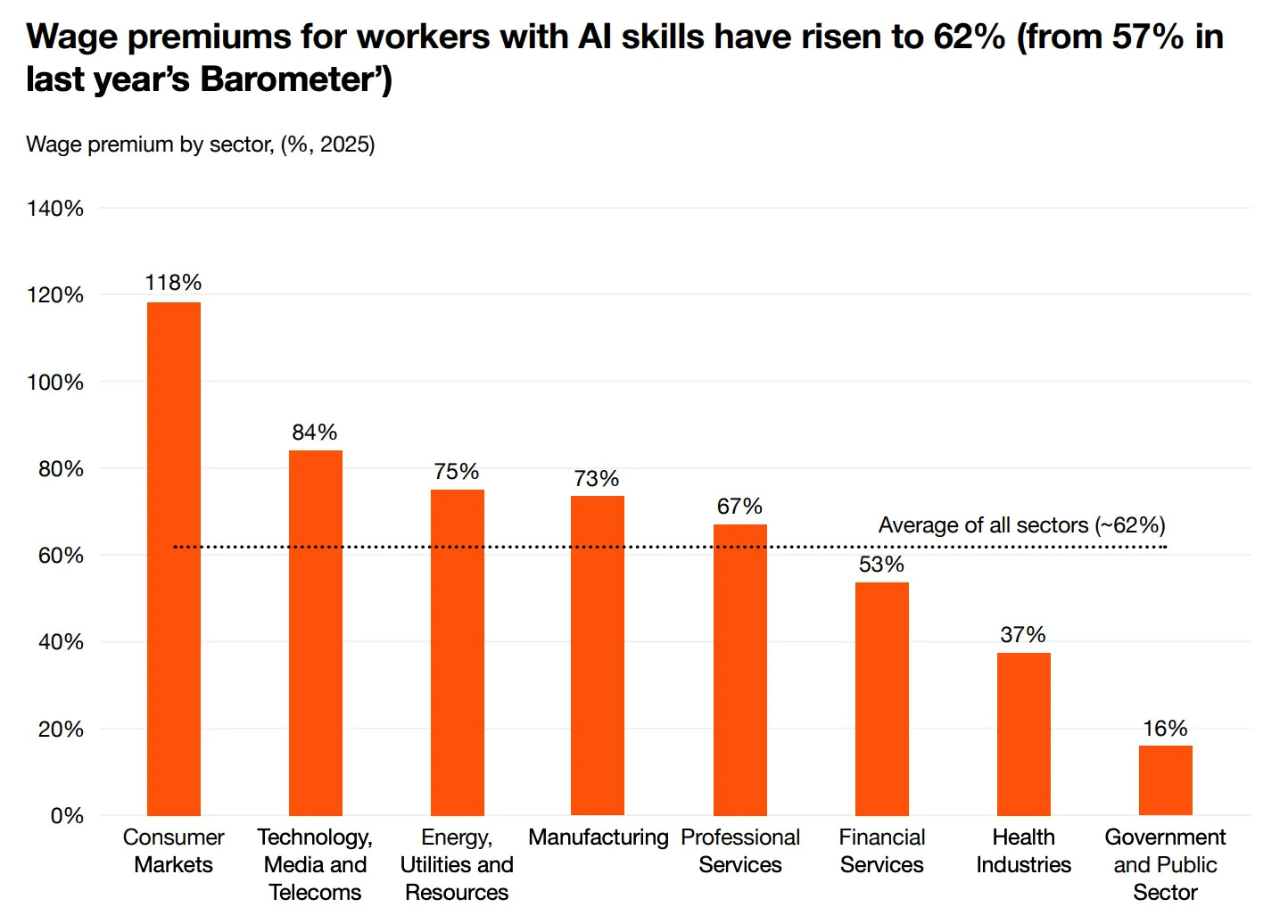
The industry changes the size of the bonus, but never the direction. Every sector pays more.
I’ve spent thousands of hours building with AI. I have never seen a company hand all its work to a machine.
There is always a sharp mind behind it, aiming the tools. Instead of hiring five more people, they pay that one person more and keep building.
So be the sharper mind.
VII. You dismiss new AI too early.
Every breakthrough follows the same script. People laugh. People criticize. People ignore. Then they quietly start using it.
In 1946, the head of 20th Century Fox reportedly said TV wouldn’t last six months. People would get tired of staring at a plywood box every night. He ran a movie studio. He had every reason to see it coming. He was wrong about the biggest medium of the next fifty years.
I watched a smaller version of this with OpenClaw. People with thousands of subscribers, people who charge ten grand for consulting, smart people, said it was just ChatGPT with extra steps. Nothing new here.
Then it caught on. Everyone could see what it actually did. And those same posts about how shallow it was quietly disappeared. Now the same people post screenshots of themselves using it.
Here is the thing about AI. It doesn’t change by the day. It changes by the hour.
So when something new lands, don’t reach for the easy dismissal. Stay skeptical, but stay curious. The person laughing this year is the customer next year.
VIII. You built your business on someone else’s model.
Cloud AI feels solid. Until the day it isn’t.
Look at Claude Fable 5.
People built real workflows on it, and then access got pulled.
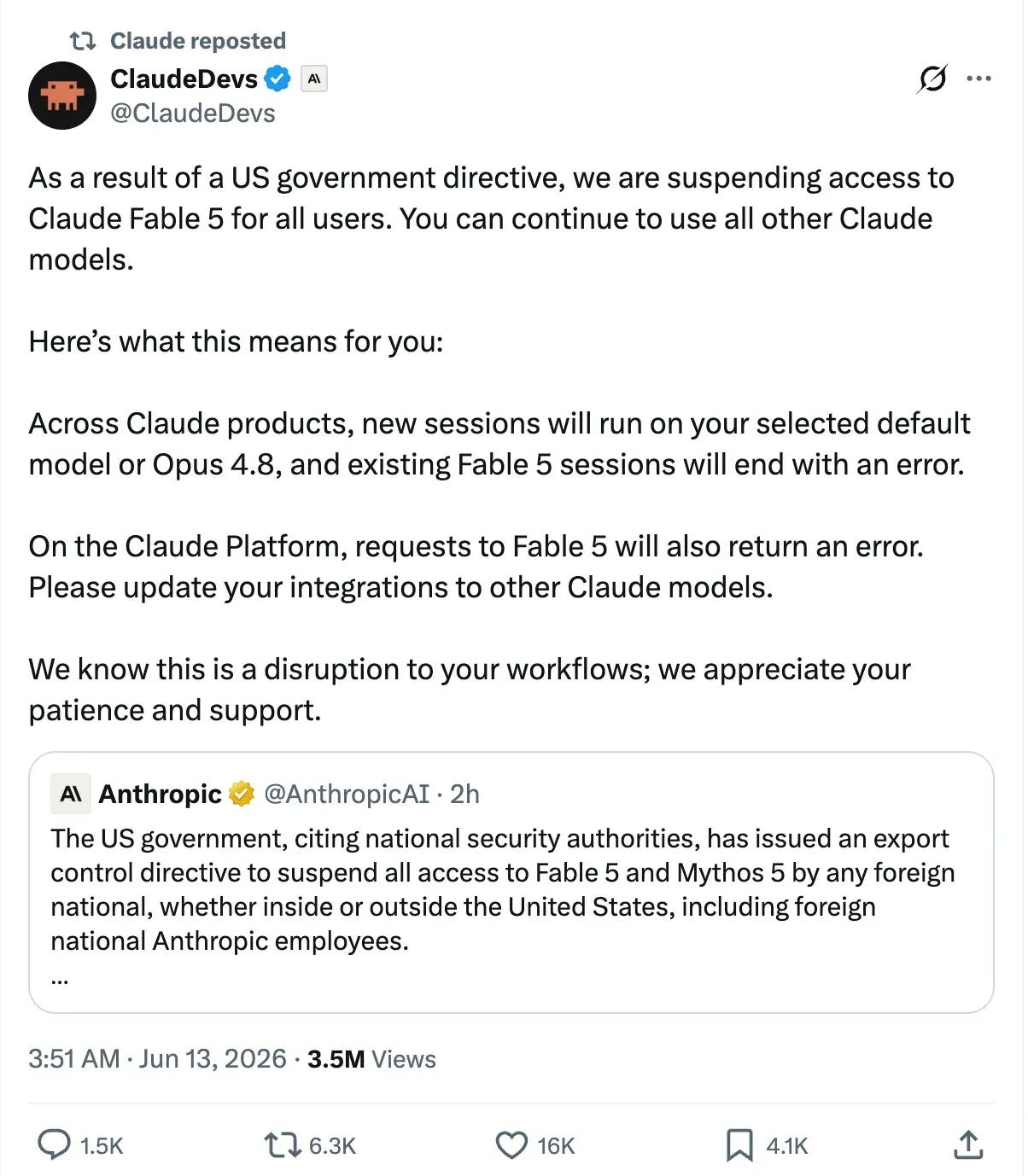
Anyone who wired their whole business to that one model woke up to a dead pipeline.
This happens all the time now. Models get retired. Prices jump overnight.
A feature you depend on quietly disappears.
OpenAI alone is shutting down dozens of older models this year, and every app still pointing at them just stops working.
I am not telling you to abandon cloud AI. I use it every day. I am telling you to keep a plan B.
Plan B is simpler than you think. Buy a mini PC, whatever your budget allows.
Install an open-source model on it.
And before you panic, no, this is not a PhD project.
You download one app and send it a message. That is the whole setup.
Your local model doesn’t need to beat the frontier ones. It just needs to keep the lights on when the cloud goes dark.
IX. You consume AI instead of building with it.
People love reading about AI. Watching the YouTube video. Buying the course. Saving the newsletter for later. Very few people open the tool and build something.
Reading feels like progress. It isn’t. Knowledge that never ships is just entertainment with extra steps.
Here is what I mean by building. You don’t need a big idea. You need a finished one.
I don’t just write this. I live it. I built a Polymarket bot with Claude Code that made 2.1x in 18 days on paper. I built a job hunter that scrapes Indeed, Upwork, and LinkedIn every morning and sends me the better-paid roles. I built a trading bot that copies millionaires. I built a night-shift agent that works while I sleep. When Claude Fable 5 got pulled, I rebuilt my whole stock analyst on a different model in one prompt, at half the price.
None of these started as something impressive. Each one broke in ways no tutorial warned me about, and fixing it taught me more than any article ever could.
The people getting extraordinary results aren’t the smartest in the room. They just ship more experiments. They built ten ugly things while everyone else was still watching videos about the perfect first project.
So close the article. Open the tool. Build the ugly thing.
X. Build your first AI coworker
Enough theory.
Let’s make this practical.
It doesn’t matter whether you’re a chef, marketer, broker, lawyer, or founder.
The idea stays the same.
Give AI a role.
Give it your knowledge.
Give it a memory.
Then let it work while you focus on what humans do best.
The Chef
Step one, get the tool. Download Claude Code. It is one app, and when you open it you just talk to it like a person.
Step two, hand it your knowledge. Put your recipes, your cooking notes, and a few favorite cookbooks into a folder. Tell Claude, in plain words, “read everything in this folder and remember it.”
Step three, give it a job. Tell it, “every morning, look at what is in my fridge/ingredients, check it against my recipes, and send me three things I can cook today.”
Claude writes the little program that does this. You don’t write a line of it.
That is the whole thing. I built this exact setup. I call it Fridge Gourmet.
Also added one more step, where my AI turned the food into cool images.
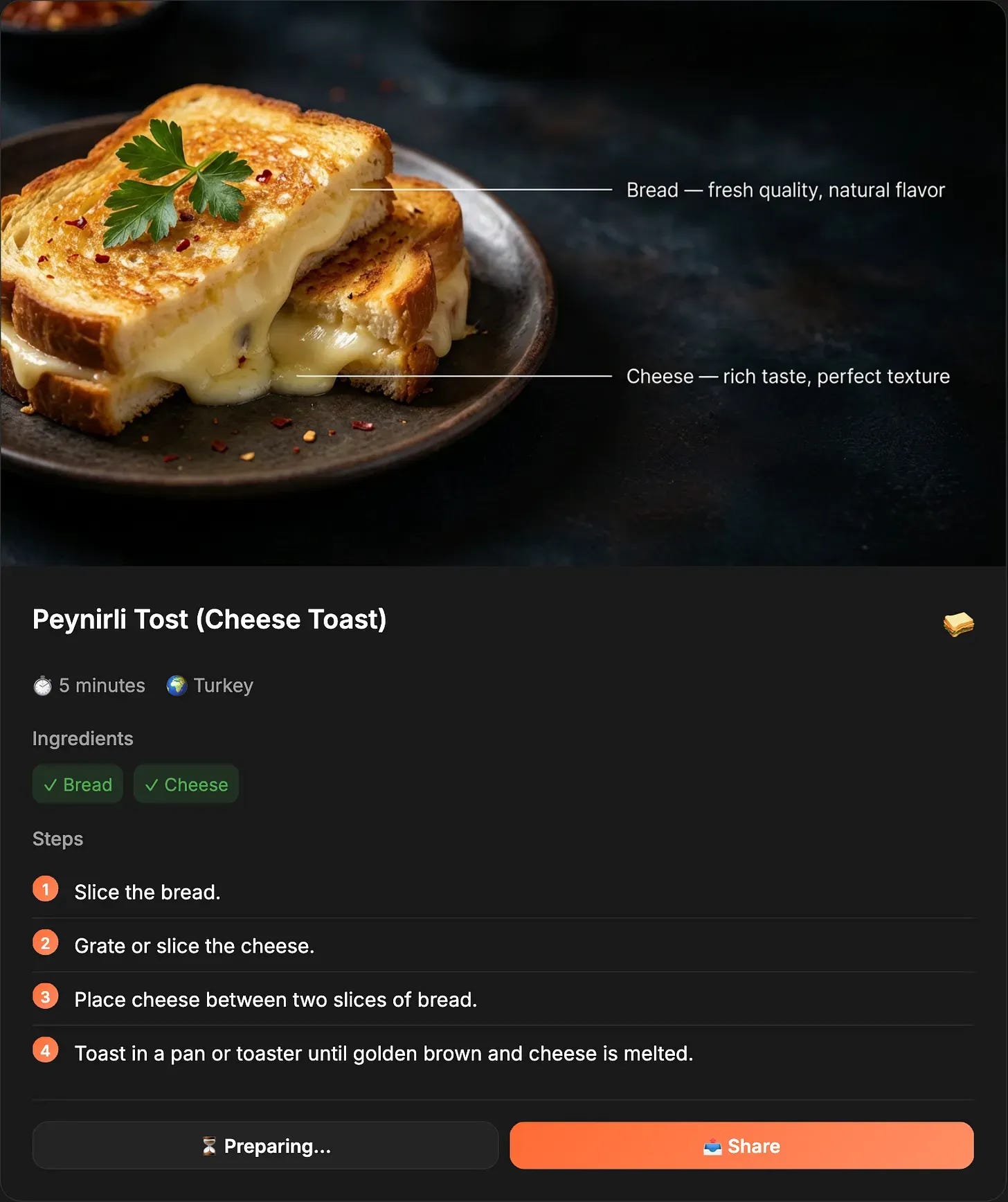
Once it runs, push it further. Feed it the menus from the Michelin-starred restaurants you love, drop in the dish you’ve always wanted to recreate, add the cookbook that first got you into the kitchen.
Then ask for more than a recipe.
Have it write the dish and generate a photo of the finished plate, waiting for you each morning. You get the idea. The basic version saves you time. The next version teaches you to cook like the people you admire.
The Marketing Specialist
Step one, gather your past work. Every post, every newsletter, every campaign, and the numbers each one pulled. Drop it all in one folder.
Step two, hand it over. Tell Claude, “read all of this and learn which ideas turned free readers into paying ones.”
Step three, ask before you write. Every morning, before you start, ask it one question. “Which idea has the best shot at converting today?” You stop guessing from a blank page. Your coworker already knows what worked yesterday.
I run my own Substack exactly like this.
All of my substack post, note statistics saved inside Obsidian.
It gives me regular suggestions.
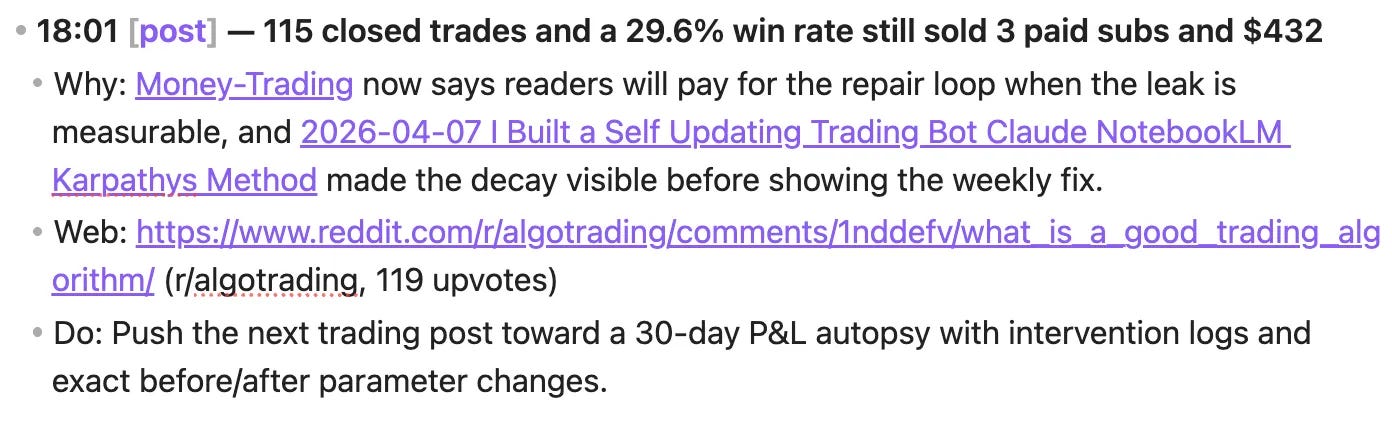
In the end, I'm the one who decides if it's worth publishing. That's why AI will always need human judgment.
The Broker
Step one, keep a journal. Every trade you make, write it down in one file. The date, the move, the reason. That file will be your AI’s memory.
Step two, give it the books. Upload your investing books into NotebookLM, a free Google tool that reads documents and answers questions about them.
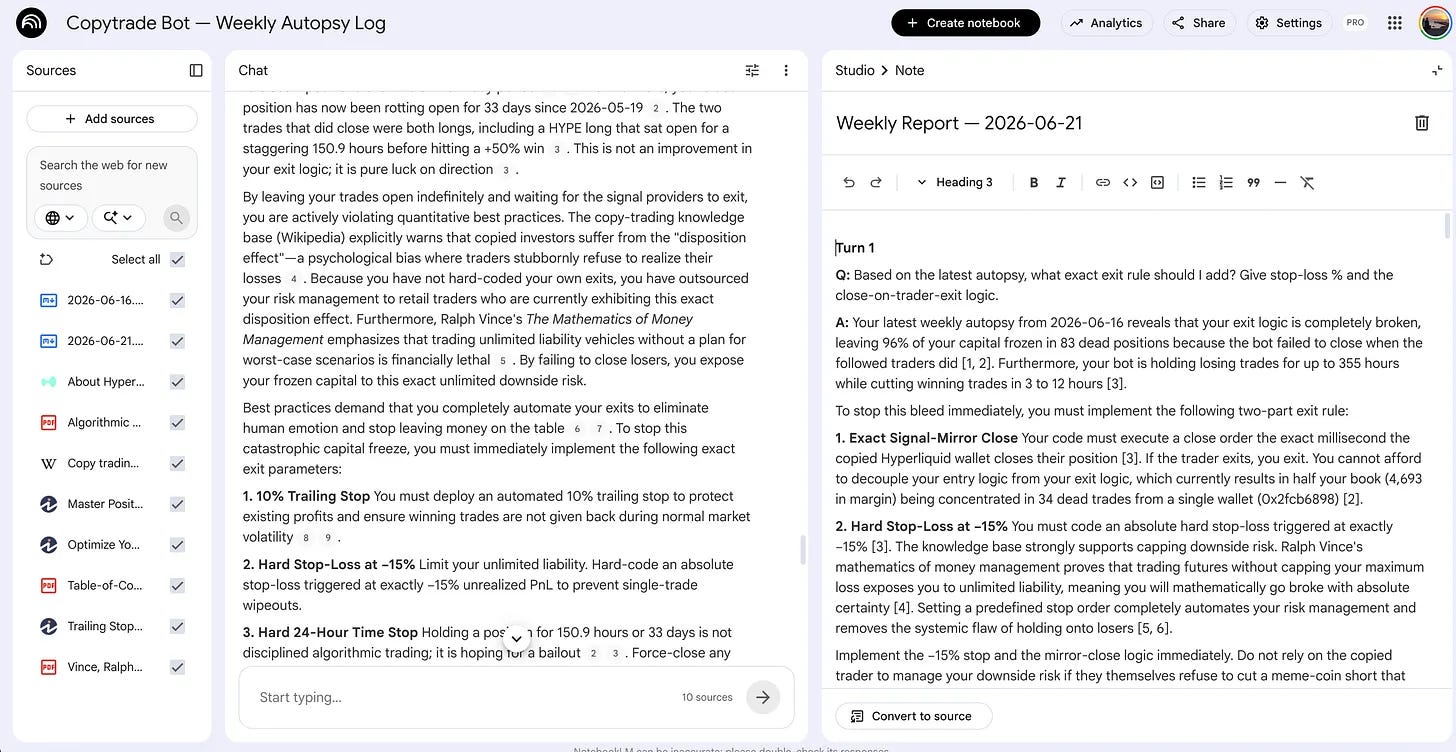
Then build a Claude routine that connects NotebookLM to Claude. The routine takes your week of trades, feeds them into NotebookLM, asks the hard questions, and saves the answers into a weekly report.
Step three, let it grade you on its own. You can also ask it directly any time, “compare my trades this week against the rules in these books and tell me where I broke them.” It stops telling you only whether you made money. It starts telling you why. Connect it to your agent and the report lands while you’re having your Sunday breakfast, orange juice in hand.
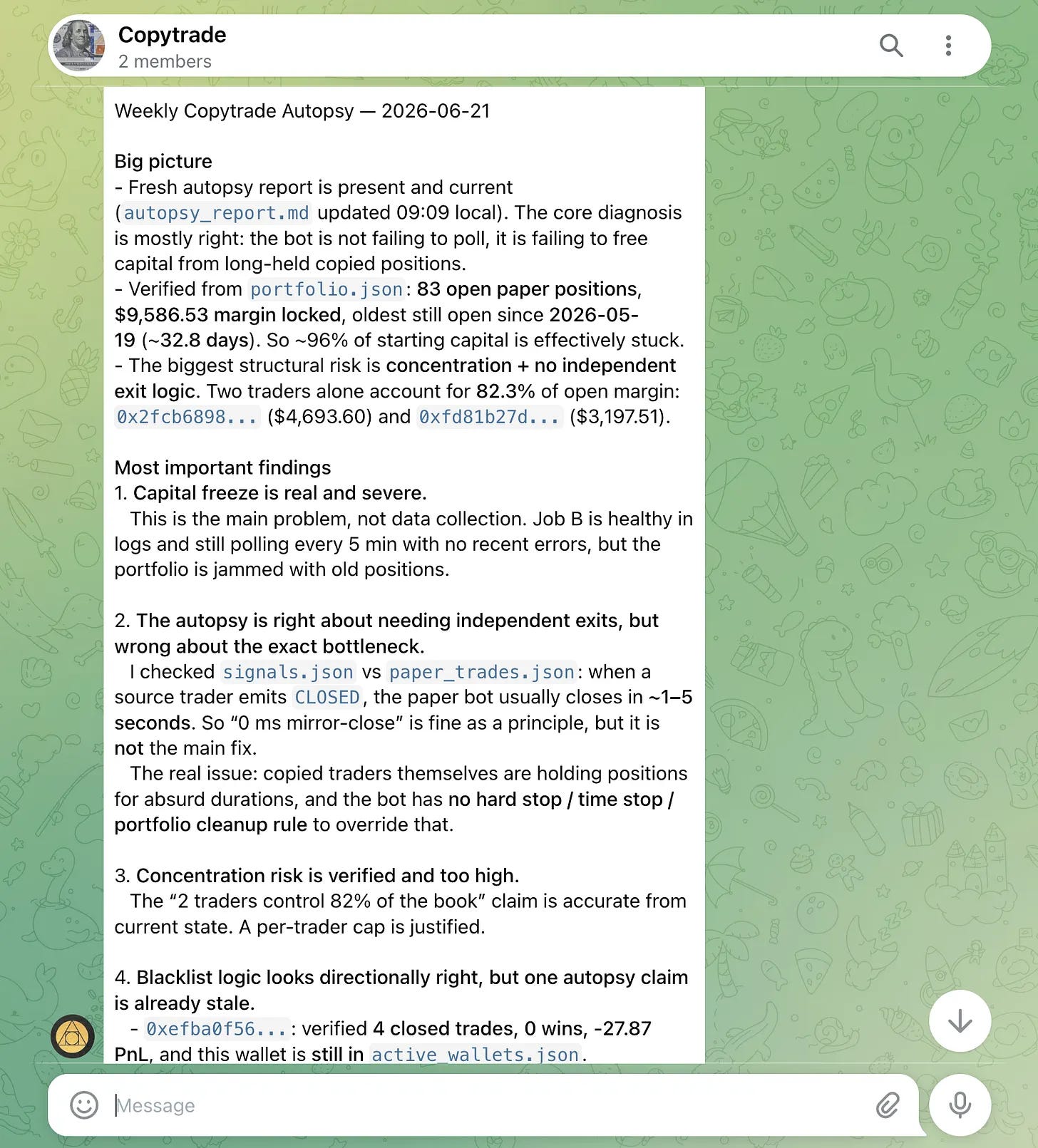
I built this one too, a bot that writes its own weekly report and feeds the fix back to itself.
But why should you listen to me?
I don’t like talking about myself. I’m doing it here only because most of you subscribed in the last three months, so you don’t know me yet.
LearnAIWithMe grew from 5,000 to 15,000 subscribers in three months. Why the jump?
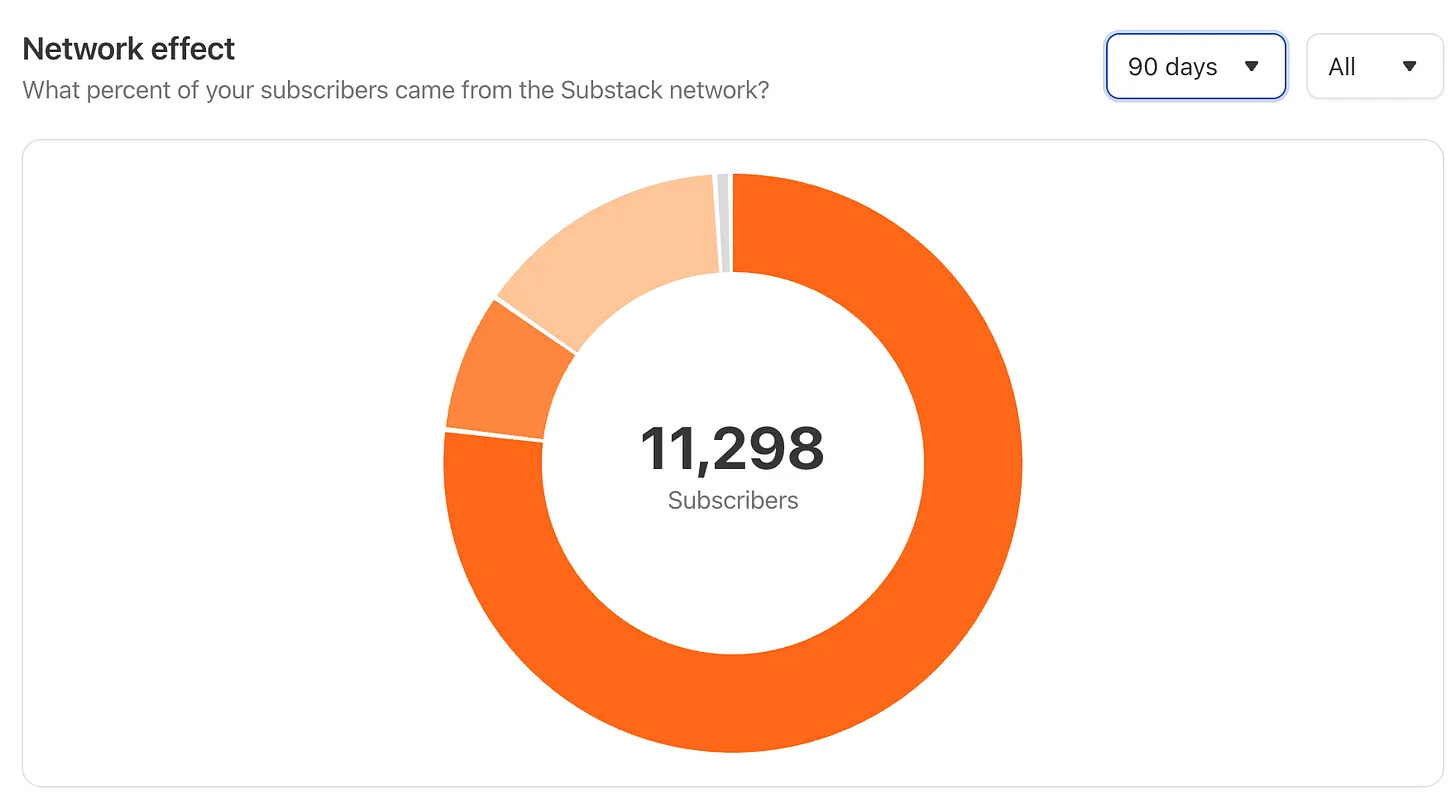
Because in March I pulled back from everything else and put almost all of it here, on Substack.
Before that, I built AI for enterprises, startups, and clients around the world. Over 7,000 freelance hours, a 100% Job Success Score on Upwork, and years of turning rough AI ideas into things that actually shipped.
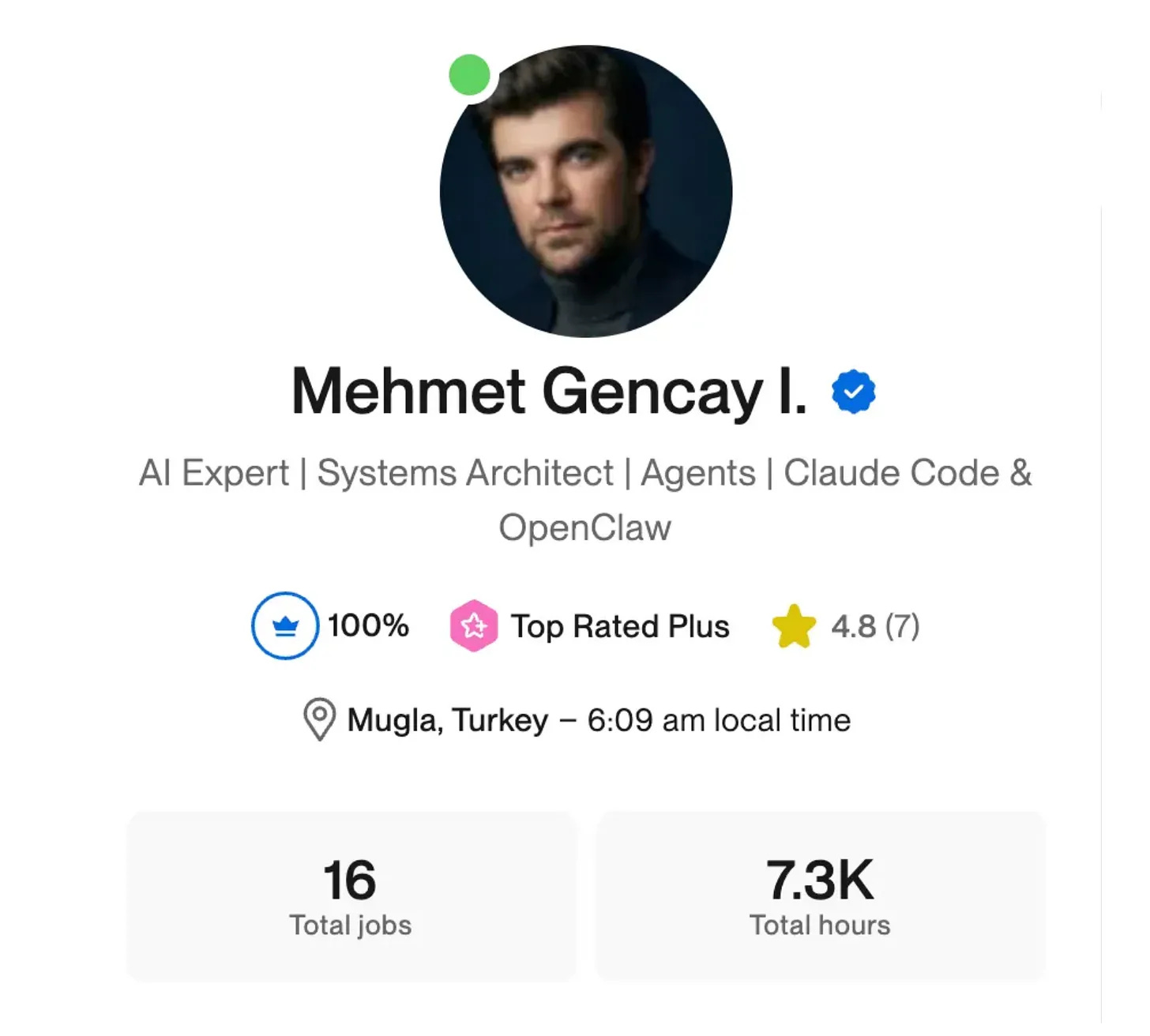
I wasn’t always a freelancer. I trained as an engineer and worked for some of the largest companies in Turkey before any of this.

The plan now is simple. Build AI systems that actually work, every Monday, Wednesday, and Friday, and put the best of it in the Vault.
So if you want to build real AI systems and put them to work, you’re in the right place.
Need this in your business?
You just read how to build an AI coworker that works while you sleep.
I build these for clients too, except I build the whole team, not just one coworker.
I built a production interview agent for a data platform used by 500K+ people.
I built 20+ AI agents for companies across finance, construction, marketing, even liquor brands.
I’m Top 1% on Upwork, Expert-Vetted, 7,000+ hours logged with international clients.
DM me, and we’ll talk.
Hello, Gencay!
I work with AI on Substack, but more on the philosophical part. I have a few subscribers, but I feel they are just lurking and won't subscribe. I'll try something with more impact on skool.com. What do you recommend?
Being honest, I'd like to do Substack only, like you. I'm tired of working in Japan because people are always looking at what floor you are stepping on.
Your work is overwhelming, but I can learn. I'd like to learn from you and make a few interesting things. You can suggest to me other interesting software that you haven't implemented yet due to a lack of time, and I can do it.
I had a deadly accident 5 years ago, and I'm paying hospital bills and trying to make ends meet. So, I'd like to start doing something nice, and I can subscribe to one of your groups. I'm familiar with Chat-GPT, Claude, etc but I don't know how to combine them as you do.
Hoping not to be intrusive, but asking for understanding.
Best regards,
Alex
This article hits the nail on the head, Gencay. The paradigm shift from "productivity tool" to "24/7 coworker" is fundamental and is exactly what separates those who get real results from those who stay on the surface. I particularly appreciated point IX: stop passively consuming AI content and start building, even if it means creating something imperfect at first.
Out of curiosity regarding the "coworkers" you have set up, like your marketing assistant or trading bot: how much time do you dedicate on average to maintaining and calibrating them over time, compared to the initial effort of creating them? People often underestimate the fact that, just like a human colleague, an AI system needs to receive new inputs and be realigned as our working methods evolve.
I explore very similar dynamics, focusing specifically on how AI is transforming community management and the way we work. If you are open to exchanging ideas and growing together, I would love for you to check out my space: https://nicolocaiti.substack.com/