


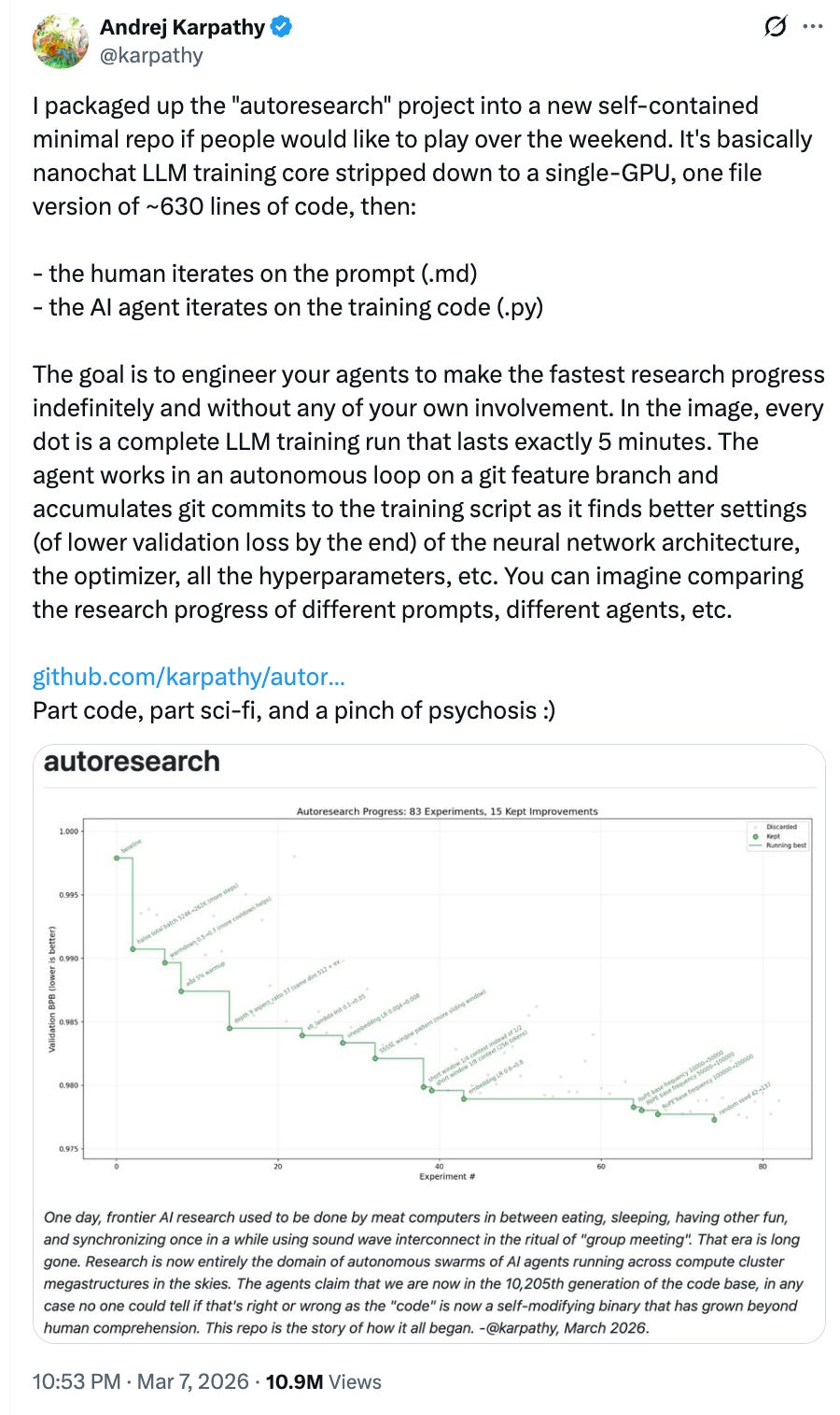
After OpenClaw’s first release, I was shocked and amazed. The same feeling I had with Claude Code and ChatGPT.
I tried everything. Set up two OpenClaw instances: one optimized for speed, one for cost.
I always wanted to run a self-learning trading bot, but my plate was full. With OpenClaw, I can finally automate that too.
It started well. Hit a 77% win rate. Then it dropped to the 30s because I couldn’t find time to maintain it.
But what if I could update the system on a loop, automatically? Like what Karpathy did with AutoResearch.
MyStack
Three tools. One loop. Zero manual work after setup.
Here’s what each one does:
OpenClaw: where the bot lives. It trades 24/7 on AWS, logs every decision to trades.jsonl, and reports via Telegram. This is the racecar.
Claude: Where the bot pit stops. It pulls the trade journal, runs a full autopsy, finds exactly what’s broken, and generates specific fixes with exact parameter values. This is the mechanic.
NotebookLM: Where the bot goes to school. It takes the autopsy, cross-references it with current trading research from the internet, and answers questions like “Is my FLOKI win streak luck or momentum?” This is the research lab.
And connecting them all?
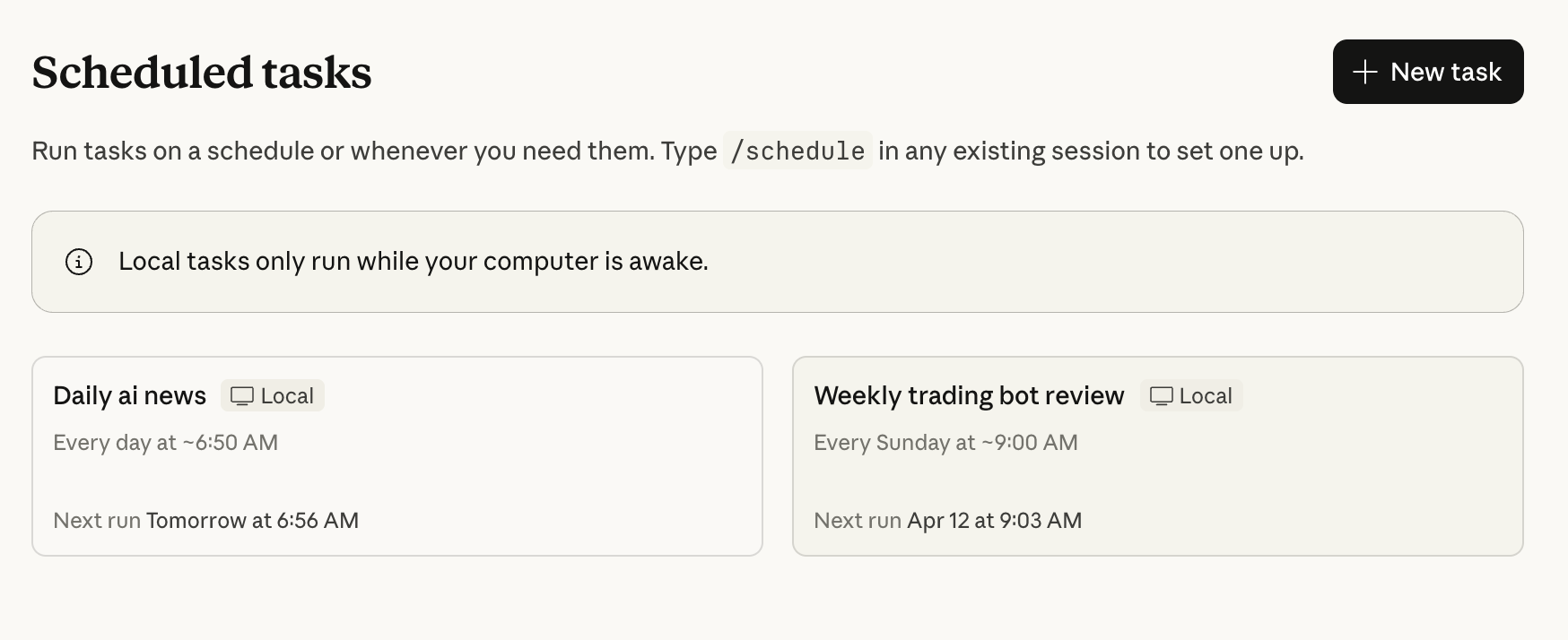
Claude’s schedule feature.
Every Sunday at 9:00 AM, the full loop runs automatically.
Here’s how the data flows:
Claude SSHs into AWS using openclaw_connection skill → pulls trades.jsonl and multi_coin_bot.py
Claude analyzes 638+ trades → produces a full autopsy (win rates, bleeding symbols, entry quality, weekly collapse)
Claude sends the autopsy to NotebookLM via notebooklm skills→
NotebookLM researches current trading strategies and cross-references them with my failures
Claude packages the findings and sends them to OpenClaw via the openclaw_communication skill→ OpenClaw updates the trading skill
Next Sunday? The loop runs again. New data. New autopsy. New research. Smarter bot.
Karpathy’s AutoResearch runs 100 ML experiments overnight on GPUs.
My loop runs 1 strategy update per week on a laptop.
Same principle. Different scale. Both produce a system that improves while you sleep.
Let me show you each step.
OpenClaw: The Place Where My Trading Bot Lives
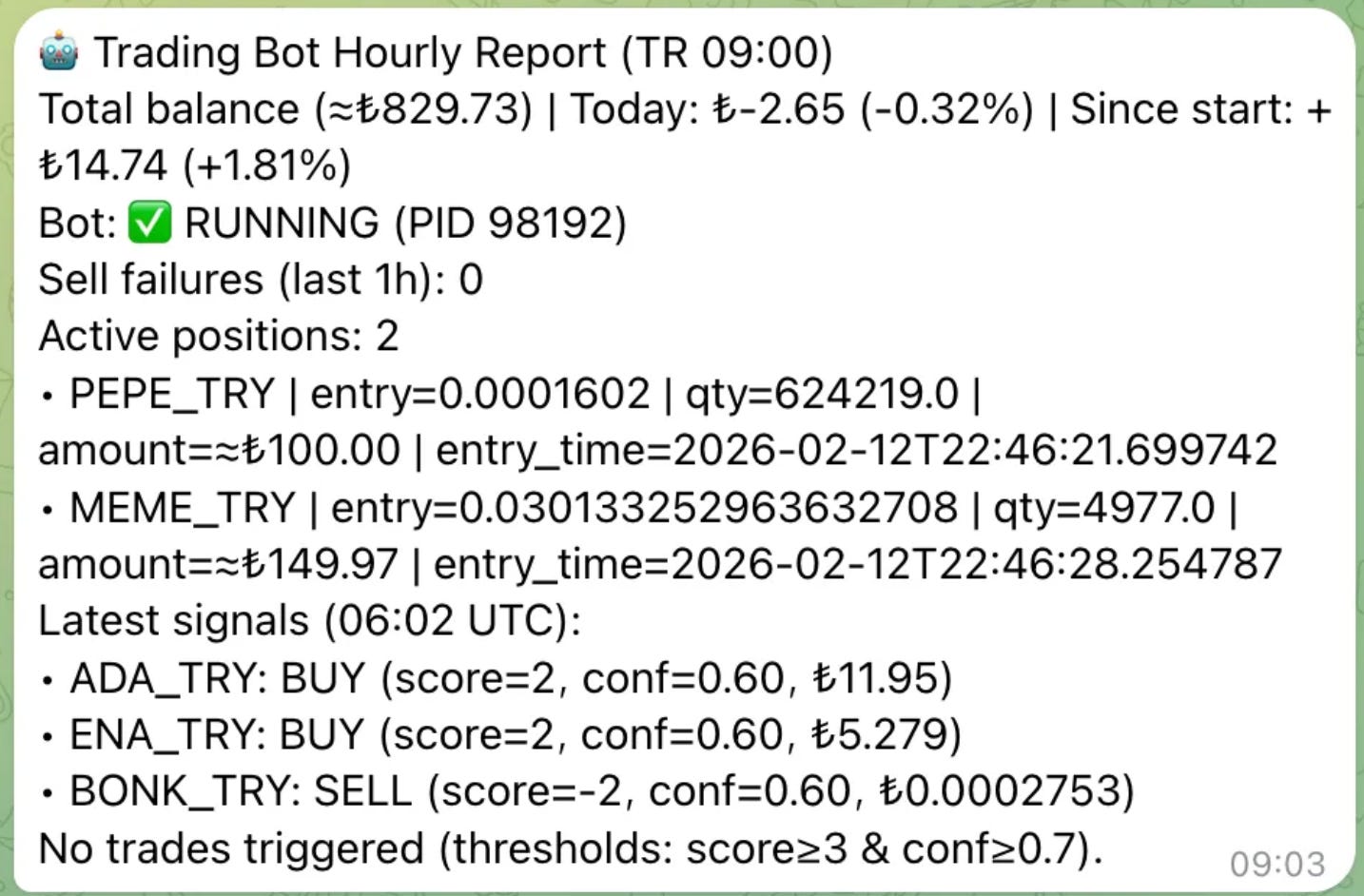
Two months ago, I built a crypto trading bot with OpenClaw.
With one prompt. Zero code.
It monitors 30+ coins, analyzes RSI, MACD, Bollinger Bands, and EMA, and only trades when 3+ indicators align.
(If you missed it, here’s the full build story: 77.8% Win Rate Crypto Trading Bot)
It started great. 77.8% win rate in the first 9 days.
The bot ran 24/7 on AWS. Hourly Telegram reports. Stop losses on everything. Trade journal logging every single entry and exit.
But here’s what nobody tells you about trading bots: they decay.
I got busy. Didn’t touch it for weeks. The market shifted. The bot didn’t.
77% became 55%. Then 30%.
The bot was still running. Still disciplined.
Still executing the same strategy that used to work.
But the market moved on.
The bot didn’t learn.
That’s the problem this article solves.
Not “how to build a trading bot”, I already showed you that.
This is about how to make it learn from its own mistakes.
Automatically. Every week. Without touching a single line of code yourself.
Karpathy does this with ML models. I do it with NotebookLM and Claude.
Claude: The Place Where My Bot Pit Stops
My trading bot lives on AWS. It runs 24/7. It doesn’t sleep.