
Weekly AI Pulse 70 - The Most Important AI News and Highlights of 2024
Your Best Friend to Catch Up AI News


"Our intelligence is what makes us human, and AI is an extension of that quality." —
Yann LeCun
What a year it has been! Thanks to Weekly AI Pulse, we have explored the most important AI news of 2024 as it happened. We received a lot of encouraging feedback from you, thanking us!
That’s why, in the 70th edition of Weekly AI Pulse, we’ve decided to highlight the most important AI news of 2024. This edition is available to all our subscribers, not just paid ones! So, let’s begin!
The Game-Changer – ChatGPT o3 Model
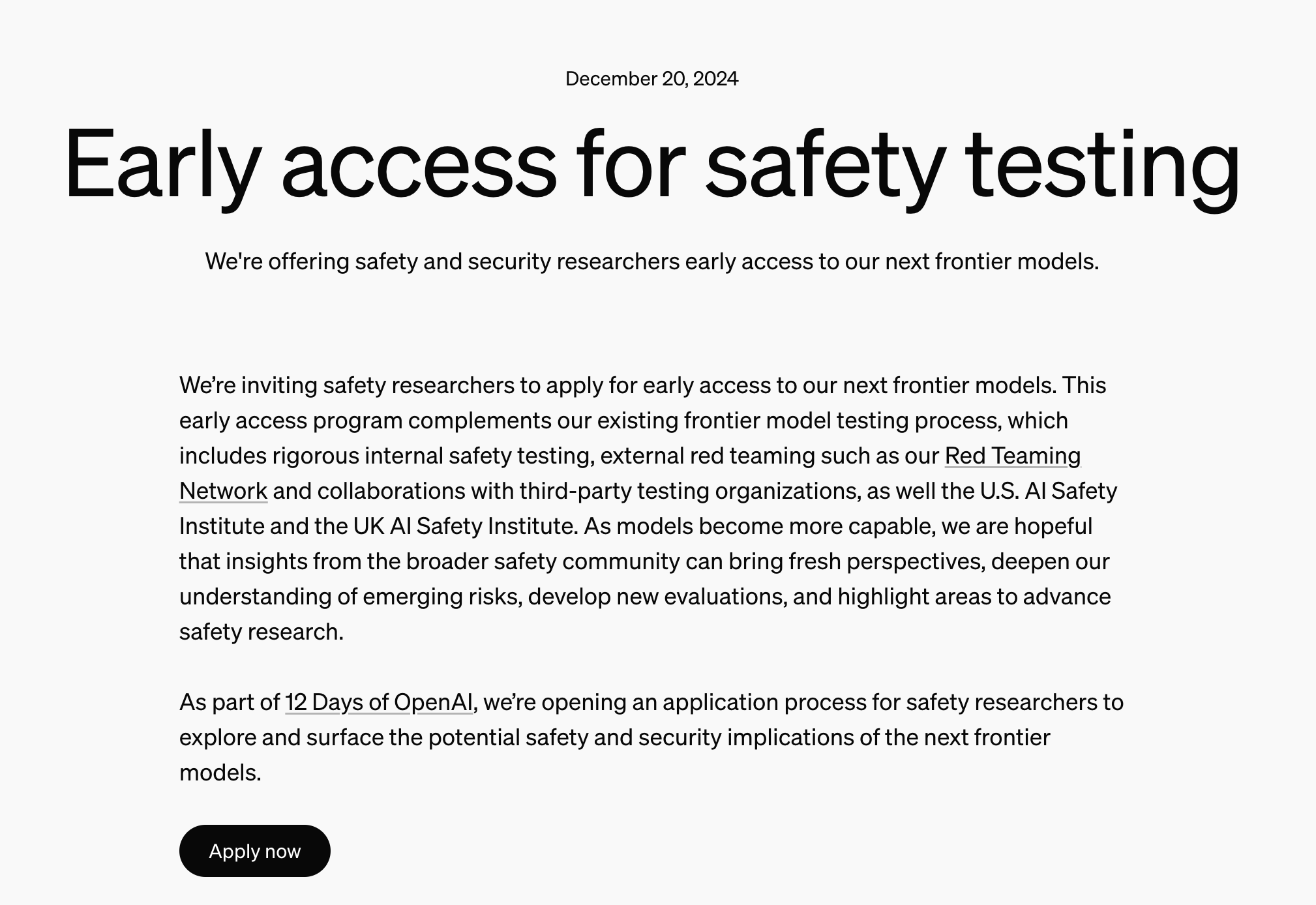
OpenAI’s latest release, ChatGPT o3, is not just another iteration; it’s redefining the AI landscape. With performance benchmarks surpassing even some human capabilities, the o3 model sparks debates about whether we’ve inched closer to AGI (Artificial General Intelligence).
Why It Matters
AGI represents an AI system that can adapt to any intellectual task humans can perform, often with minimal training. While we’re not officially there yet, the o3 model’s capabilities are a significant step forward. For data scientists and AI enthusiasts, this could revolutionize workflows and tasks.
Impact on Data Science
Thanks to AI tools like ChatGPT, simple data science tasks like data cleaning, analysis, and visualization are becoming less relevant. With o3, this trend will accelerate. Advanced systems could automate up to 90% of routine tasks, freeing professionals to focus on complex, strategic projects.
The Price of Power
With great power comes… well, high costs. Models like GPT Pro already cost $200/month, and o3 could push these boundaries further. Ensuring accessibility for all users—not just large enterprises or privileged groups—will be key to its success.
Listen
Introducing the Analysis Tool in Claude.ai

Great news! Claude.ai has just launched a new analysis tool that lets Claude write and run JavaScript code directly within the platform. This means Claude can now process data, perform analyses, and provide real-time insights—all in one place.
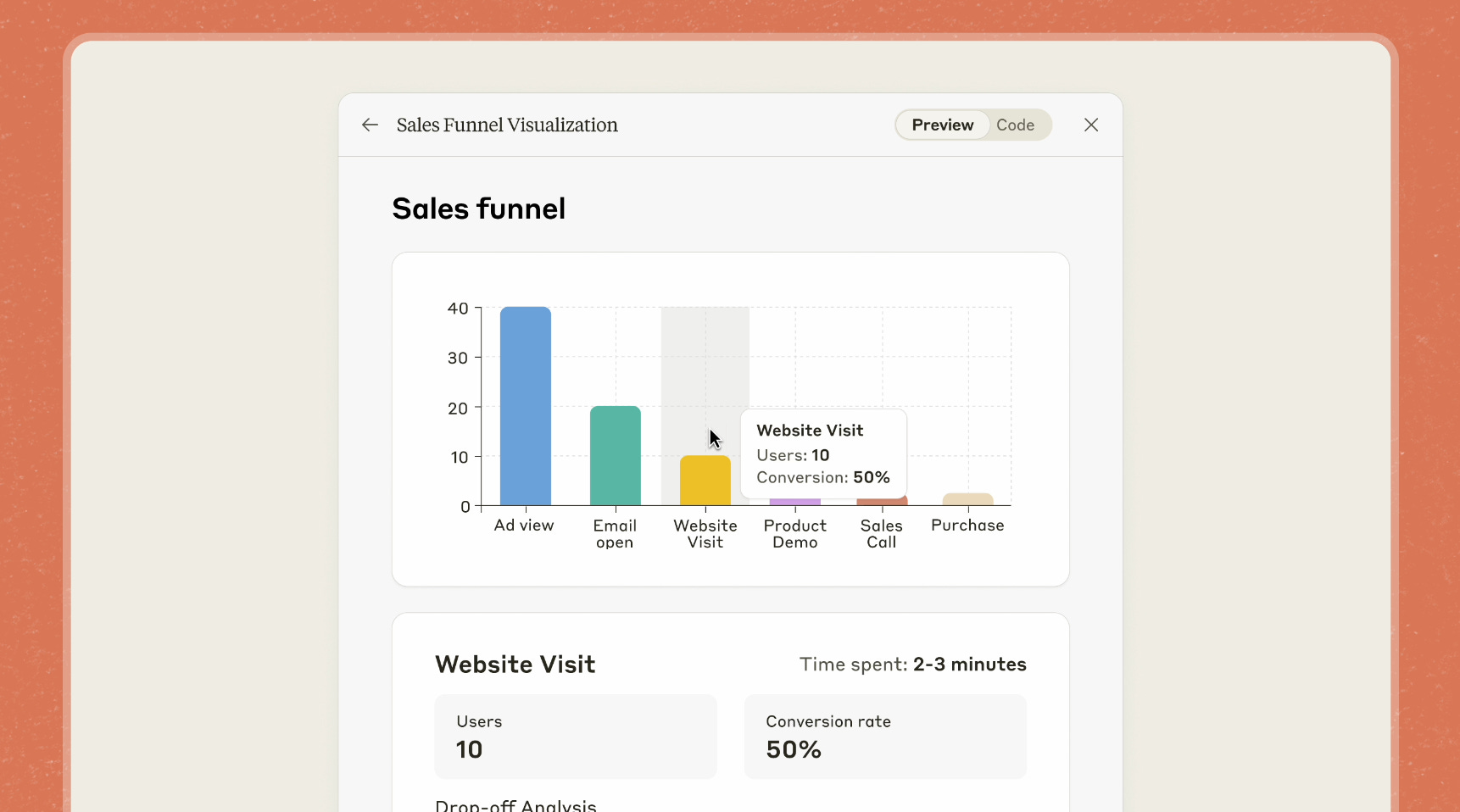
Think of it as a built-in code sandbox. Whether you're a marketer aiming to boost conversions, a sales team analyzing global data, or a finance team creating dashboards, Claude's got you covered. The tool allows for precise and reproducible results by running code to process information step by step.
To get started, simply log into Claude.ai and turn on the analysis tool feature preview. It's available now for all users!
Listen
Geoff Hinton and John Hopfield Awarded Nobel Prize in Physics for Foundational AI Work

The Royal Swedish Academy of Sciences has announced that Geoff Hinton and John Hopfield are the recipients of the 2024 Nobel Prize in Physics. They are honored for their groundbreaking work on artificial neural networks dating back to the late 1970s and early 1980s. Their foundational discoveries have enabled machine learning advancements using artificial neural networks, significantly impacting the field of artificial intelligence.
Geoff Hinton, often called the "godfather of deep learning," co-created the backpropagation algorithm. This method allows neural networks to learn from errors, revolutionizing AI model training. After earning his PhD in 1978, Hinton joined Google in 2013 but left in 2023 due to concerns about AI's role in misinformation. He is currently a professor at the University of Toronto.
John Hopfield, a professor at Princeton University, developed the Hopfield network. This neural network mimics human memory by storing and retrieving patterns, applying principles of biology and physics to computational systems.
Ellen Moons, chair of the Nobel Committee for Physics, stated: "The laureates’ work has already been of the greatest benefit. In physics, we use artificial neural networks in a vast range of areas, such as developing new materials with specific properties."
Listen
Scientists Develop AI Tool to Accurately Predict Alzheimer's by 82%

Scientists are using AI tools to help predict the progression of Alzheimer’s. Early diagnosis is crucial for slowing the symptom progression of both dementia and Alzheimer’s, which can be hard to diagnose due to their similar symptoms to age-related cognitive decline.
Researchers from the University of Cambridge have developed an AI tool that predicts whether a person with early dementia symptoms will remain stable or progress to Alzheimer’s. Dementia is an umbrella term for conditions affecting thinking and memory, while Alzheimer’s is a specific type accounting for 60-80% of dementia cases.
Less than half of people with dementia symptoms are ever diagnosed early. The AI tool, tested on data from over 1,900 U.S., U.K., and Singapore participants, identified 82% of those who would develop Alzheimer’s and 81% who would not, making it three times more accurate than current methods.
Dr. Zoe Kourtzi, lead researcher, emphasized the tool's potential to improve patient care by predicting progression from mild symptoms to Alzheimer’s. This could reduce unnecessary tests and anxiety for patients predicted to remain stable. Validation in larger, more diverse populations is needed to confirm the tool’s accuracy and generalizability.
Experts believe this AI tool represents a significant breakthrough. Dr. Manisha Parulekar noted its potential for guiding treatment decisions and planning for the future. Dr. David Merrill highlighted the importance of accurately predicting which patients need rapid intervention to prevent dementia progression.
This study demonstrates the usefulness of AI in creating accurate predictive models from commonly collected patient data, potentially transforming early diagnosis and treatment of Alzheimer's and dementia.
Listen
AI tool predicts kidney failure six times faster!

Sheffield Teaching Hospitals NHS Foundation Trust has created an AI tool that better predicts kidney failure. This is a big deal, especially for those with autosomal dominant polycystic kidney disease (ADPKD), a common genetic disorder.
This AI tool is excellent at reading kidney scans. Before, it took experts about an hour to examine MRI scans per patient. Now, they can do it in under a minute with this AI. That's six times faster! Speed is essential because the quicker we spot kidney failure, the better we can handle it.
The AI learned from hundreds of kidney MRI scans and is now as good as human experts. It's been used at Sheffield's 3D Lab since 2022, showing its value. It could be used in kidney clinics all over the world.
This is an important step. ADPKD often leads to kidney failure by age 50. With this AI tool, clinics can quickly and rightly measure kidney size. This helps to predict how the disease will progress. It's a big move in treating a condition where early help is critical.
Listen
GPT Store is Available Now!
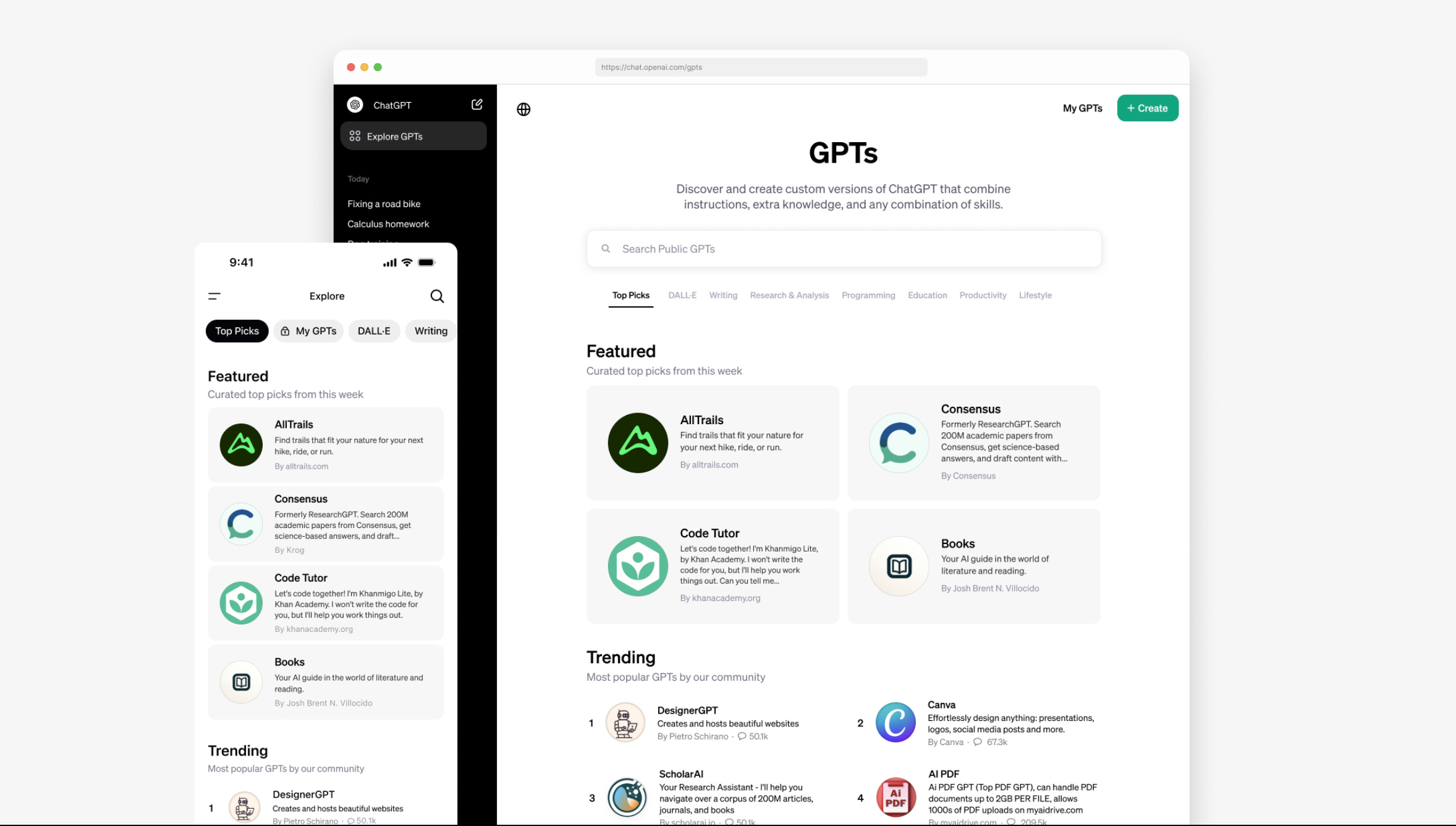
Launch: OpenAI has launched the GPT Store for ChatGPT Plus, Team, and Enterprise users.
Background: The store's opening follows a delay due to management changes at OpenAI, including CEO Sam Altman's temporary dismissal.
Offerings: The store features custom versions of ChatGPT, with over 3 million created in recent months.
Community Engagement: A leaderboard in the store displays popular GPTs across various categories.
Initial Features: Initial offerings include AllTrails’ personalized trail recommendations and the CK-12 Flexi AI tutor.
User Contributions: ChatGPT users can contribute their own GPTs to the store without needing coding skills. Contributions require saving the GPT as open and verifying the Builder Profile.
Monetization : It will be available in 2021Q1, which is up to March.
Listen
Final Thoughts
Thank you for being with us in 2024. I hope we’ll continue together in 2025, discovering AI news and witnessing how AI shapes our future!
See you in 2025!